Why an Electric Toothbrush's Pressure Sensor Alert Still Gets Brushed Past by Most People
Most electric toothbrushes sold today have a pressure sensor built in specifically to stop people from brushing too hard, and most people who own one have still never actually changed their brushing pressure because of it, which sounds like the feature failing — except the real problem is that the alert itself is designed to be brief and easy to miss during the exact moment someone is least likely to be paying attention.

Why the Sensor’s Warning Is a Brief Flash, Not a Hard Stop
The design: most-pressure-sensors-respond-to-excess-force-with-a-quick-light-flash-or-a-short-pulse-in-the-motor-rather-than-stopping-the-brush-outright-or-sounding-a-clear-alarm (most electric toothbrush pressure sensors responding to excess force with only a quick light flash or a short pulsing change in the motor’s vibration, rather than actually stopping the brush outright or sounding any kind of clear, attention-grabbing alarm, per the oral-health-smile-guide logic — most-electric-toothbrush-pressure-sensors-responding-to-excess-force-with-only-a-quick-light-flash-or-a-short-pulsing-change-in-the-motors-vibration-rather-than-stopping-the-brush-outright-or-sounding-a-clear-alarm), and the reframe (a genuinely useful signal designed weakly enough to be easy to tune out)).
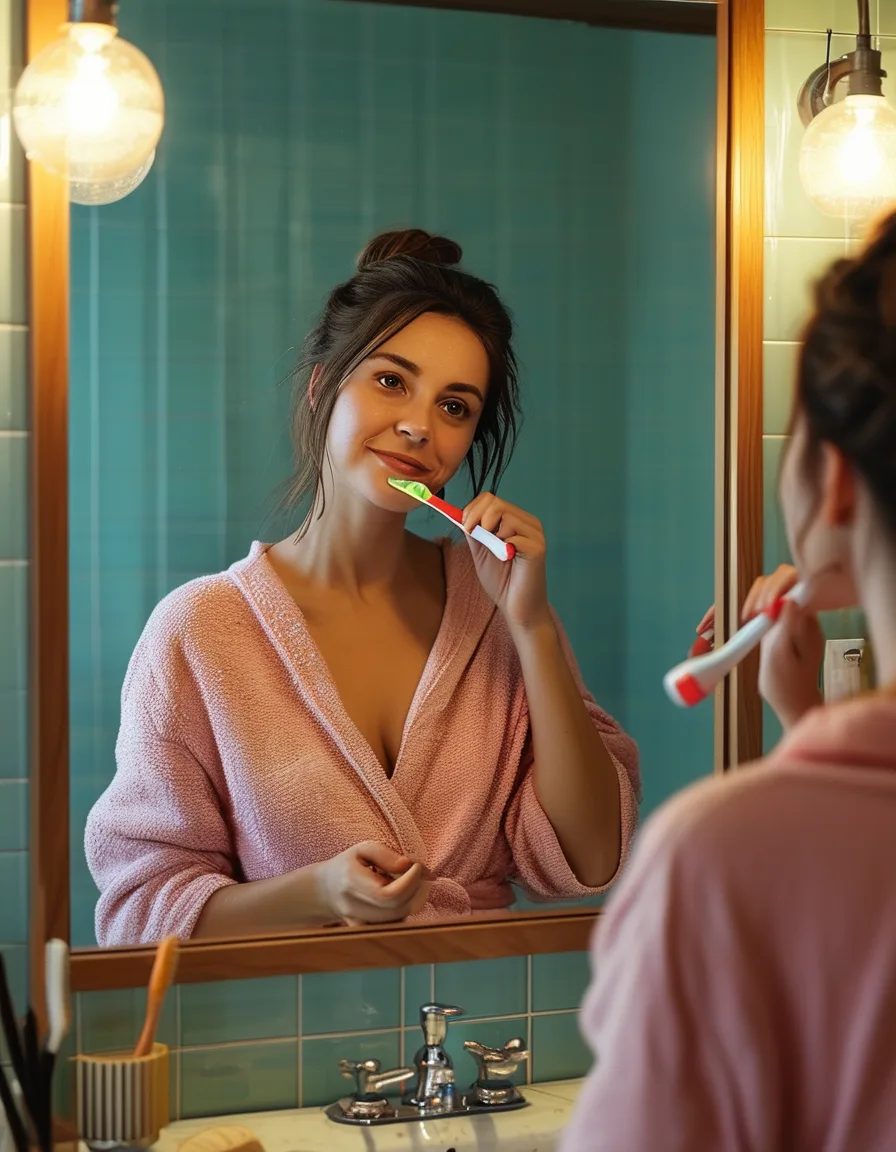
Why Habit and Multitasking Make That Signal Easy to Miss
The blind spot: brushing-is-typically-done-half-on-autopilot-while-thinking-about-the-day-ahead-which-means-a-brief-flash-or-pulse-rarely-breaks-through-that-distracted-attention (brushing being typically done half on autopilot, often while thinking about the morning’s schedule or scrolling a phone nearby, which means a brief flash or pulse from the brush itself rarely breaks through that already distracted attention, per the flossing-and-oral-care-guide logic — brushing-being-typically-done-half-on-autopilot-often-while-thinking-about-the-days-schedule-which-means-a-brief-flash-or-pulse-rarely-breaks-through-that-distracted-attention), and the frame (the sensor working exactly as designed while the surrounding habit context defeats it)).
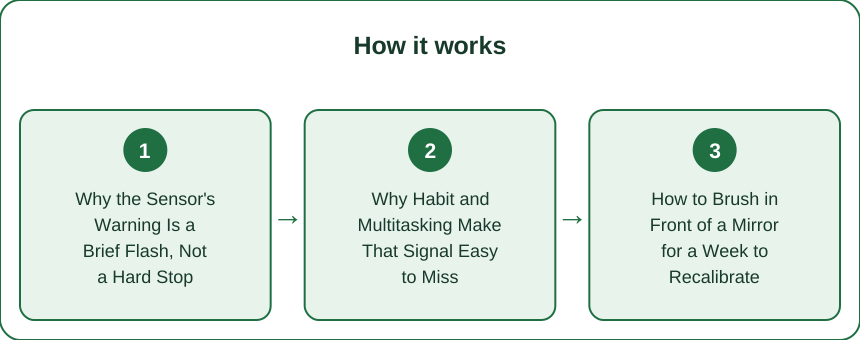
How to Brush in Front of a Mirror for a Week to Recalibrate
The reset: brushing-directly-in-front-of-a-mirror-for-about-a-week-while-actively-watching-for-the-pressure-alert-retrains-the-hand-to-recognize-and-respond-to-the-signal (brushing directly in front of a mirror for about one full week, while actively watching specifically for the pressure alert each time it happens, retrains the hand to genuinely recognize and immediately respond to that signal going forward, per the whitening-options-guide logic — brushing-directly-in-front-of-a-mirror-for-about-one-full-week-while-actively-watching-specifically-for-the-pressure-alert-each-time-it-happens-retrains-the-hand-to-recognize-and-respond-to-the-signal), and the frame (rebuilding attention around the existing signal instead of needing a stronger one)).
Most electric toothbrush pressure sensors respond to excess force with only a brief light flash or a short pulse in the motor rather than a hard stop or a clear alarm, and because brushing is usually done half on autopilot, that brief signal rarely breaks through distracted attention. Brushing directly in front of a mirror for about a week while actively watching for the alert retrains the hand to notice and respond to it, fixing the habit around the sensor that was already there rather than needing a stronger one.
Keep Reading
This article is for general informational purposes only and is not medical advice. Always consult a qualified health professional for guidance specific to you.