Cold-Sensitive Teeth: What That Zing Actually Means and When It Matters
Quick Answer: The cold zing happens when dentin — the layer under enamel, packed with fluid-filled micro-channels leading to the nerve — gets exposed: by gum recession (often from hard brushing), enamel wear (acid + abrasion + grinding), or a specific problem like a crack or cavity. Generalized mild sensitivity responds to the home ladder: soft brush + gentle technique, potassium-nitrate or stannous-fluoride sensitivity toothpaste used consistently for 2-4 weeks, and acid-timing habits. One-tooth, worsening, heat-triggered, or lingering pain is a dentist visit, not a toothpaste aisle decision. This is general information, not medical advice.
The ice-water wince gets normalized fast — you learn to chew on the other side, sip carefully, and file it under ‘my teeth are just like that.’ But the zing is a signal with a specific address, and the difference between ‘buy the purple toothpaste’ and ‘book the appointment’ is readable from the pattern.

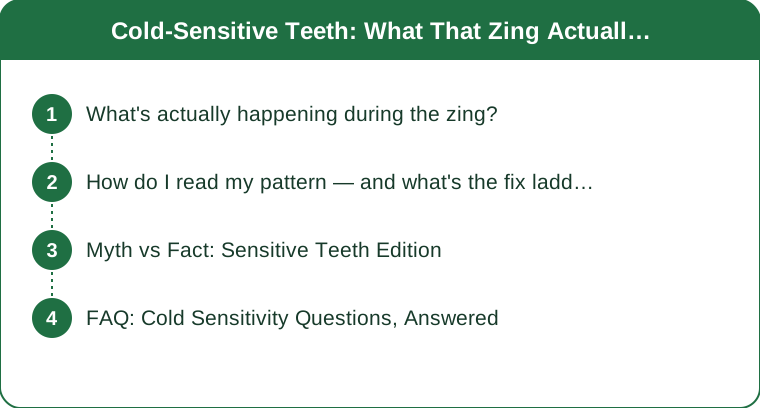
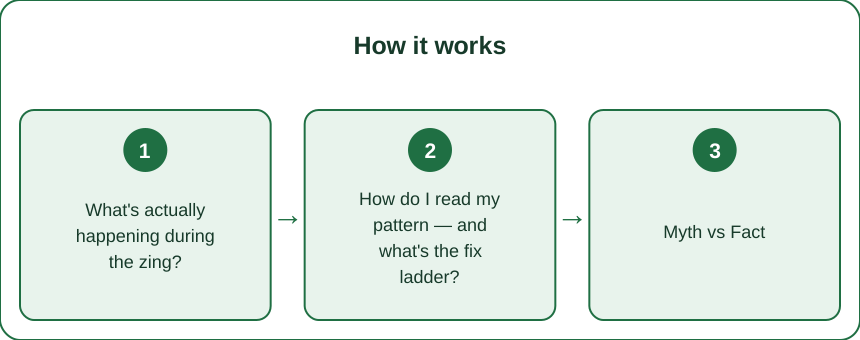
What’s actually happening during the zing?
The plumbing explanation (hydrodynamic theory, in dentistry’s terms): under your enamel lies dentin — not solid, but threaded with thousands of microscopic fluid-filled tubules running toward the nerve chamber. Enamel and gum tissue normally cap these channels.
When dentin gets exposed, cold (or sweet, or air) makes the tubule fluid move — and that fluid shift mechanically tugs the nerve endings: the zing is literally hydraulics, which is why it’s instant, sharp, and gone when the stimulus leaves.
The exposure routes, ranked by frequency:
- Gum recession — the biggest one: receding gums uncover root surfaces that never had enamel (roots are covered by a thin layer that abrasion removes fast). Chief causes: aggressive brushing with hard bristles, gum disease, grinding, and genetics.
- Enamel thinning: acid erosion (frequent citrus, soda, sparkling water habits, reflux) softens enamel that abrasion then removes — the acid-then-brush combination being the classic accelerant.
- Grinding and clenching: wears enamel AND flexes teeth at the gumline (creating those notched wedges dentists point at), often announcing itself as morning sensitivity.
- Specific culprits: a crack, a new cavity, a leaking filling, recent whitening (temporary), or recent dental work (settles) — these produce the localized patterns in the next section.
How do I read my pattern — and what’s the fix ladder?
The pattern decoder:
- Many teeth, mild, cold-only, stable: generalized dentin exposure — the home-ladder case.
- One specific tooth: crack, cavity, or failing filling territory — dentist, not toothpaste.
- Heat-triggered or pain that lingers after the stimulus: the nerve-involvement flags — prompt dental visit (lingering pain especially is the classic pulp-trouble sign).
- Sudden onset, worsening trend, or pain on biting: same answer — the appointment.
The home ladder (for the generalized-mild case):
- Fix the brushing first: soft-bristled brush, gentle pressure (the two-finger grip trick keeps force honest), angled at the gumline — the recession accelerant is the single most fixable cause. Electric brushes with pressure sensors are the gadget that actually earns its price here.
- Sensitivity toothpaste, used properly: potassium nitrate (calms the nerve response) or stannous fluoride (plugs the tubules) — the catch everyone misses: 2-4 weeks of consistent twice-daily use before judging, and the effect fades if you stop. Spit, don’t rinse, after brushing — leaving the active layer working.
- Acid-timing habits: rinse with water after acidic drinks, and delay brushing ~30-60 minutes after acid exposure (brushing acid-softened enamel is the erosion express lane). Straws for the daily citrus-and-soda habits.
- The grinding check: morning jaw tension, flattened tooth edges, or a partner’s noise report → the night-guard conversation with your dentist — sensitivity is often the first symptom grinding sends.
And the in-office tier (when the ladder plateaus): professional desensitizing varnishes, bonding over exposed roots, and gum-graft options for significant recession — the menu that exists beyond the toothpaste aisle.

Myth vs Fact: Sensitive Teeth Edition
Myth: Sensitivity means cavities. Fact: Sometimes — but generalized cold sensitivity is far more often the recession-and-wear story. The differentiators: cavities localize to a tooth and often add sweet-sensitivity and lingering ache; generalized zing across many teeth points at exposed dentin. (Either way, the one-tooth pattern buys an exam.)
Myth: Whitening ruined my enamel — the sensitivity proves damage. Fact: Whitening sensitivity is common and typically temporary — the peroxide transit through enamel irritates the nerve without structurally damaging it; it settles within days. The management: spacing treatments, sensitivity paste before and after, and dialing concentration. Sensitivity persisting weeks after whitening is worth the checkup.
Myth: Sensitive teeth should be brushed less. Fact: The backwards instinct that makes everything worse — plaque accumulation inflames gums (more recession) and feeds decay. The fix was never less brushing; it’s softer brushing — pressure and bristle changes, full coverage maintained.
Myth: Sensitivity toothpaste is a scam because it stopped working when I stopped. Fact: That’s the mechanism, not the scam — both actives require ongoing use (the nerve-calming builds and fades; the tubule plugs wear away). It’s maintenance, not cure — the actual cures live at the cause level: brushing force, acid habits, grinding, and the dentist’s menu.
FAQ: Cold Sensitivity Questions, Answered
Why did sensitivity appear suddenly in my 30s/40s?
The usual convergence: cumulative gum recession crossing the exposure threshold, plus the era’s habits (sparkling water all day, stress grinding) arriving together. Decades of tiny recession are invisible until the year the root surface joins the party — sudden-feeling, slow-built.
Is sparkling water really a problem?
It’s mildly acidic — far gentler than soda, not nothing at all-day-sipping frequency. The dose pattern matters more than the drink: constant sipping bathes teeth in low-grade acid; with-meals consumption and water rinses afterward keep the habit friendly. (Citrus-flavored versions run more acidic — the flavor tab is doing work.)
Cold air in winter makes my teeth zing — same mechanism?
Same plumbing — moving cold air across exposed dentin shifts tubule fluid just like ice water. Scarf-over-mouth breathing in the cold helps, and the winter-air zing responds to the same ladder; teeth that zing at mild breeze levels, though, have enough exposure to justify the professional look. This is general information, not medical advice.
TL;DR:
- The zing is hydraulics: exposed dentin tubules + cold = fluid shift tugging the nerve — recession and enamel wear are the usual exposers
- Pattern reading: many-teeth-mild = home ladder; one-tooth, heat-triggered, lingering, or worsening = dentist
- The ladder: soft brush + gentle force → sensitivity paste (2-4 weeks, spit don’t rinse) → acid timing → grinding check
- Sensitivity paste is maintenance, not cure — causes get fixed at the source
The other-side-chewing adaptation was never a solution — it was a symptom being politely ignored, and it reads clearer than you thought. This is general information, not medical advice.
Keep Reading
This article is for general informational purposes only and is not medical advice. Always consult a qualified health professional for guidance specific to you.